

The Complete Guide to SEO Marketing: Dominating the Australian Digital Landscape
In the evolving digital economy of Australia, visibility is the ultimate currency. Businesses from Perth to Sydney are realizing that appearing on page one of Google is no longer a matter of luck; it is a result of a sophisticated seo marketing strategy.
Search engine optimization is no longer just about “tricking” an algorithm. In 2026, it is about aligning your brand’s digital footprint with the precise needs of your audience. This guide provides a comprehensive roadmap for navigating modern search requirements, with a specific focus on semantic search intent mapping to ensure your content resonates with both crawlers and human users.
What is SEO Marketing?
SEO marketing is the strategic process of optimizing a website’s technical configuration, content relevance, and link popularity so its pages become easily findable, more relevant, and popular toward user search queries.
Unlike traditional advertising that pushes a message out to a broad audience, search marketing pulls in users who are actively seeking solutions. By positioning your business at the exact moment of discovery, you capture high-intent traffic that is far more likely to convert into loyal customers.
Why Semantic Search Intent Mapping is the New Standard
The days of simple keyword matching are over. Google’s Hummingbird and RankBrain algorithms have shifted the focus toward “entities” and “intent.”
Understanding Semantic Search
Semantic search refers to a search engine’s ability to understand the natural language and the relationship between words. It doesn’t just look for “coffee shop”; it understands that a user searching for “best espresso near me” is looking for a physical location, high ratings, and immediate service.
The Role of Intent Mapping
Semantic search intent mapping is the practice of categorizing search queries into four primary buckets to ensure your content provides the correct “answer type”:
- Informational: The user wants to learn (e.g., “how does solar power work?”).
- Navigational: The user wants a specific site (e.g., “CBA login”).
- Commercial: The user is researching options (e.g., “best SUVs for Australian outback”).
- Transactional: The user is ready to buy (e.g., “buy iPhone 15 Sydney”).
By mapping your content to these specific intents, you reduce bounce rates and signal to Google that your page is the most “helpful” result.
How Search Engines Crawl and Index Your Content
To rank effectively, your site must be “crawlable.” If Google’s bots cannot navigate your site, your marketing efforts will fail.
- Crawl Budget: Google allocates a specific amount of time to visit your site. Large sites with messy code or slow load times waste this budget.
- The Indexing Pipeline: After crawling, Google renders the page, analyzing the JavaScript and CSS. It then places the page in a massive database (the Index) based on its perceived value.
- Mobile-First Indexing: Google primarily uses the mobile version of your content for indexing and ranking.
Benefits of a High-Authority SEO Strategy
Investing in long-term organic growth offers several distinct advantages for Australian enterprises:
- Compound Growth: Unlike paid ads, where traffic stops when the budget ends, SEO content continues to generate leads for years.
- Trust and Credibility: Users inherently trust organic results more than paid placements. High rankings act as a “stamp of approval” from Google.
- Competitive Moat: A high-authority domain is difficult for competitors to overtake quickly, providing long-term business security.
Real-World Case Study: The Power of Localized SEO
Consider a boutique law firm in Melbourne. Initially, they targeted broad terms like “legal advice.” By shifting their seo marketing focus to localized, intent-based terms like “family law mediation Melbourne,” and creating a hub of informational content about Victoria’s specific legal statutes, they saw:
- A 40% increase in organic leads within six months.
- A reduction in “junk” inquiries from users outside their service area.
- Featured snippets for common legal questions, establishing them as industry leaders.
Step-by-Step Framework for Modern SEO Success
1. Technical Foundation
Ensure your site meets Core Web Vitals (LCP, FID, CLS). A fast-loading site is a prerequisite for ranking.
2. Semantic Research
Move beyond “keywords.” Use tools to find “entities” related to your topic. If you are writing about “Australian travel,” your content should naturally include “Great Barrier Reef,” “Visa requirements,” and “Seasonal weather.”
3. Content Architecture
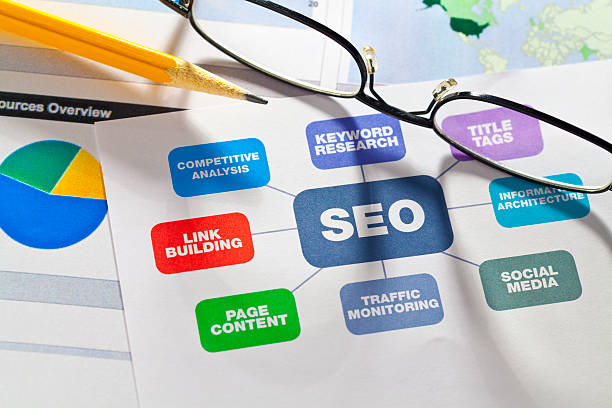
Use a “Topic Cluster” model. Create a pillar page that covers a broad topic and link it to detailed sub-pages. This helps Google understand your topical depth.
4. Conversion Optimization
Every piece of SEO content must have a goal. Whether it is a newsletter sign-up or a product purchase, guide the user to the next step.
Best Practices & Advanced Optimization Tips
- Use Schema Markup: Implement FAQ, Article, and LocalBusiness schema to help search engines parse your data.
- Optimize for Voice: Many Australians use smart speakers. Use natural language headers like “What is the best way to…”
- Refresh Old Content: Google loves fresh data. Update your high-performing posts every 6–12 months with new statistics and insights.
- Focus on E-E-A-T: Include author bios that highlight real-world experience. Link to credible Australian government (.gov.au) or educational (.edu.au) sources where relevant.
Common SEO Marketing Mistakes to Avoid
| Mistake | Consequence | Fix |
| Thin Content | Poor rankings and “Low Quality” flags. | Write comprehensive guides (1,500+ words). |
| Ignoring Internal Links | Poor crawl efficiency. | Link new posts to relevant older pages. |
| Keyword Stuffing | Manual penalties from Google. | Use natural synonyms and LSI keywords. |
| Slow Mobile Speed | High bounce rates. | Compress images and use a CDN. |
FAQ: Frequently Asked Questions
What is the most important part of SEO in 2026?
User experience (UX) and helpfulness. Google’s systems now prioritize content that demonstrates first-hand experience and provides a clear, satisfying answer to the user’s query.
How does semantic search intent mapping help my business?
It ensures you aren’t wasting resources on traffic that won’t convert. By matching the content to the user’s stage in the buying journey, you improve engagement and ROI.
Should I focus on backlinks or content?
Both are essential. Content gets you into the “race,” but high-quality backlinks from reputable Australian sites are what help you “win” the top spots.
How often should I check my rankings?
Monthly is usually sufficient. Daily fluctuations are normal. Focus on long-term trends rather than day-to-day volatility.
Does social media affect SEO?
Not directly as a ranking factor, but social shares increase visibility, which leads to more natural backlinks—which do improve SEO.
Conclusion: Elevating Your Organic Presence
Success in seo marketing requires a balance of technical precision and creative storytelling. By focusing on the user’s journey through semantic search intent mapping, you create a digital ecosystem that Google is eager to reward.
The Australian market is unique—its users value authenticity and local relevance. Start by auditing your current content for intent gaps, and begin building a topical authority that your competitors cannot easily replicate.