
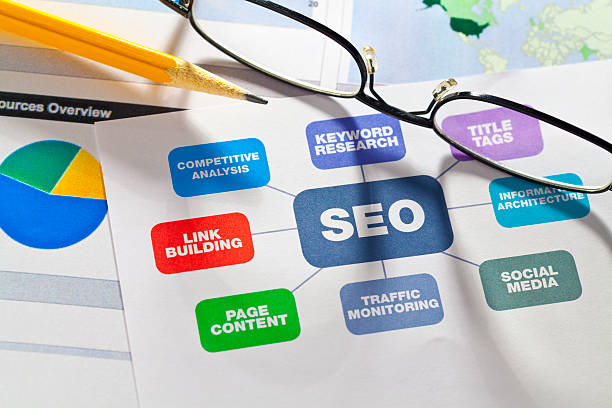
Introduction: Why Old SEO Tactics Fail in 2025
In 2025, relying on traditional SEO is increasingly ineffective. Most strategies fail because businesses chase quick wins—ranking for a single keyword, acquiring low-quality backlinks, or publishing thin content. Modern search engines, powered by AI and machine learning, evaluate holistic authority, semantic depth, and user intent signals.
Organic Growth Engineering (OGE) has emerged as the new discipline. It integrates SEO, content strategy, AEO (Answer Engine Optimisation), UX, and behavioural metrics to build compounding growth. Unlike traditional SEO, OGE focuses on long-term visibility, trust, and revenue generation.
The Limitations of Traditional SEO Methods
1. Keyword-Centric Obsession
Many businesses still optimise exclusively for high-volume keywords. This approach:
- Ignores semantic relevance and topic coverage
- Overlooks user intent and engagement metrics
- Often results in temporary traffic spikes without conversions
2. Low-Value Link Building
Link schemes and directory submissions are outdated. Search engines now prioritise:
- Topical relevance of linking domains
- Brand mentions and authority signals
- Natural link growth over manipulative strategies
3. Thin, Unstructured Content
Publishing short, keyword-stuffed content fails to satisfy AI algorithms that:
- Analyse comprehensive topic coverage
- Evaluate entity relationships
- Reward answer completeness for featured snippets
4. Ignoring Behavioural Metrics
Traditional SEO ignores user behaviour like CTR, dwell time, scroll depth, and interaction signals—now crucial for AI-driven ranking and zero-click visibility.
How AEO Is Transforming Search Rankings
Answer Engine Optimisation (AEO) ensures content is discoverable by AI-powered search engines like ChatGPT, Perplexity, Gemini, and Claude. OGE leverages AEO to outperform traditional SEO in multiple ways:
Key AEO Principles
- Direct Answerability – Pages structured to deliver precise answers
- Semantic Depth – Covers subtopics, related queries, and entities
- Trust Signals – E-E-A-T integration, verified authors, and authoritative sources
- Zero-Click Visibility – Optimising for FAQs, featured snippets, and People Also Ask
- Behavioural Feedback – Tracking dwell time, CTR, and engagement for compounding signals
By embedding these principles, businesses ensure sustained rankings and higher conversions.
Organic Growth Engineering Framework
Elite agencies follow a structured OGE framework to fix failing strategies:
1. Technical Excellence
- Mobile-first, responsive design
- Fast loading speeds and optimised Core Web Vitals
- Schema markup for snippet and AI extraction
2. Semantic & Topic Mapping
- Identify clusters of transactional and informational queries
- Map content around entities and topical relevance
- Connect clusters via logical internal linking
3. Human + AI Content Collaboration
- AI assists with structured outlines, semantic optimisation, and snippet-ready content
- Humans maintain brand voice, storytelling, and persuasive copywriting
- Focus on high-converting CTAs and engagement elements
4. Behavioural Optimisation
- Track CTR, dwell time, bounce rate, and scroll depth
- Use interactive content like quizzes, calculators, or polls
- Optimise UX to guide conversions naturally
5. E-E-A-T Reinforcement
- Verified authorship with professional credentials
- Authoritative citations and references
- Transparent brand presence and social proof
6. Compounding Signal Measurement
- Monitor rankings, engagement, and conversions over time
- Refine content and UX iteratively
- Leverage analytics to optimise AI snippet capture
Real-Life Examples and Statistics

- Example 1: A SaaS platform implemented OGE by mapping semantic clusters and using structured answer blocks. Within six months, organic leads increased by 68%, with AI-driven snippets capturing zero-click traffic.
- Example 2: An e-commerce store focused on dwell time and scroll depth optimization, resulting in a 40% increase in conversions from organic traffic.
- Statistic: BrightEdge 2025 reports 75% of top-ranking pages now outperform competitors through compounding user engagement and semantic relevance, not backlinks alone.
- Expert Insight: SEO strategist Nathan Li emphasizes: “Organic Growth Engineering is the future. Traditional SEO may get you traffic, but OGE generates trust, authority, and sustainable revenue.”
Actionable Steps to Implement Organic Growth Engineering
- Perform Technical & UX Audit – Identify mobile, speed, and navigation issues.
- Create Semantic Clusters – Map topics, subtopics, and related entities.
- Develop AI-Friendly Content – FAQs, bullet points, structured summaries, and step-by-step instructions.
- Strengthen E-E-A-T Signals – Verified authors, citations, and testimonials.
- Monitor Behavioural Metrics – CTR, dwell time, scroll depth, interactions.
- Build Authoritative Backlinks – Focus on relevance and trustworthiness.
- Iterate Continuously – Test headlines, CTA placement, and interactive features.
Following these steps ensures sustainable rankings, higher engagement, and long-term revenue growth.
Conclusion: The SEO Reset with Organic Growth Engineering
Organic Growth Engineering shifts focus from short-term SEO tactics to long-term, compounding signals. By integrating semantic authority, AI-ready content, behavioural optimisation, and E-E-A-T, elite agencies achieve algorithm-proof visibility, engagement, and conversions.
The SEO Reset encourages businesses to embrace strategy-driven growth, ensuring websites generate lasting authority, traffic, and ROI.
FAQS
1. What is Organic Growth Engineering (OGE)?
OGE is the modern SEO discipline combining semantic authority, AI-optimised content, UX, behavioural metrics, and E-E-A-T reinforcement. It outperforms traditional SEO by creating compounding growth signals, ensuring algorithm-proof visibility, higher engagement, and sustainable conversions across Google and AI-powered search engines.
2. Why does traditional SEO fail in 2025?
Traditional SEO often relies on keyword stuffing, low-value backlinks, and thin content, ignoring AI-driven search priorities like semantic relevance, user behaviour, and entity authority. These short-term strategies fail to deliver long-term rankings, featured snippets, zero-click traffic, and conversions.
3. How does AEO improve SEO performance?
Answer Engine Optimisation (AEO) ensures content answers queries accurately, satisfies semantic intent, and is structured for AI extraction. Optimised pages capture featured snippets, People Also Ask results, and zero-click traffic, amplifying engagement and compounding ranking signals over time.
4. What are compounding SEO signals?
Compounding signals are behavioural, semantic, and trust metrics that accumulate over time. Examples include dwell time, CTR, scroll depth, topical authority, E-E-A-T credibility, and AI snippet capture. They ensure sustainable rankings and long-term traffic growth rather than temporary keyword spikes.
5. How can businesses implement OGE immediately?
Start with a technical and UX audit, map semantic clusters, develop AI-friendly content, reinforce E-E-A-T, monitor engagement metrics, and focus on authoritative backlinks. Continuous testing and refinement ensure organic growth, algorithm-proof visibility, and higher conversions.